Hire a Full-Stack Developer
A Full-Stack Developer develops and maintains both the front-end and back-end of websites and applications
Zero Risk: You pay nothing if you don’t hire anyone.
Hire Full-Stack Developers for up to 81% less
We’ve helped thousands of clients hire amazing staff in the Philippines and Latin America.
Savings by hiring a Full-Stack Developer in the Indian and Latin America
Zero Risk: You pay nothing if you don’t hire anyone.
Salary Range
No Data Found
Benefits of Hiring a Full-Stack Developer
We’ve helped thousands of clients hire amazing staff in the Philippines, South Africa and Latin America.
A full-stack developer is a versatile asset because they cover both front-end and back-end development. This means you can have one person build and maintain an entire web or mobile application, speeding up projects and improving cohesion. According to industry descriptions, a full-stack developer “bridges front-end experiences with robust back-end functionality”. In practice, this means faster iteration and reduced coordination overhead compared to hiring separate front-end and back-end engineers.
Zero Risk: You pay nothing if you don’t hire anyone.
Best Countries to Hire a Full-Stack Developer
All regions have strong development talent, but consider these differences: The Philippines has a huge talent pool of developers experienced in popular stacks (LAMP, .NET, JavaScript) and excellent English communication skills. Latin America boasts many software engineers (e.g. in Brazil, Argentina, Colombia) who work overlapping hours with the U.S., easing collaboration. South Africa is also growing in tech and provides strong English proficiency and cultural compatibility with Western businesses. If you need fast collaboration with your U.S. team, Latin American developers may be best. If budget and large-scale staffing are key, the Philippines might yield more candidates at lower rates.
Zero Risk: You pay nothing if you don’t hire anyone.

What You Can Expect from Your Full-Stack Developer
Top Full-stack developers can handle the end-to-end building of your software. Expect your hire to:
- Develop user interfaces: They will write front-end code (HTML/CSS/JavaScript, or frameworks like React/Vue) to create interactive webpages or apps that engage users.
- Build server-side logic: They’ll design and implement back-end components (APIs, databases, server logic) ensuring data is processed securely and efficiently.
- Integrate systems: They connect front-end elements with back-end services (e.g. calling APIs, handling authentication) so the app works as one.
- Maintain performance and security: They will optimize code for speed and ensure proper security practices (e.g. input validation, encryption) in both front- and back-ends.
- Collaborate with teams: As they see the whole picture, they often work well in small agile teams, bridging gaps between design, UX, and back-end development.
In short, you get a “versatile problem-solver” who can iterate quickly on your software development or web development process or project. They can prototype new features, debug issues across the stack, and adapt to changing requirements more fluidly than a specialist developer.
Zero Risk: You pay nothing if you don’t hire anyone.
How to Hire Your Remote Full-Stack Developer
To effectively hire a full-stack developer, begin by specifying your project’s tech stack, clearly listing the front-end and back-end languages and frameworks (e.g., MERN, Python/Django + React, Ruby on Rails) to ensure proficiency in both areas. Next, leverage a vetted hiring service like Somewhere, which can present the best full-stack developers with the required experience and often impressive portfolios. During interviews, evaluate candidates’ technical skills with practical tests by asking them to explain past systems or complete brief coding tasks that cover both front-end and back-end development. Our recruiters will check their communication skills, as full-stack developers frequently interact with clients or product teams; many candidates from the Philippines, South Africa, and Latin America have strong English and collaboration experience. Finally, once hired, onboard and integrate them with a thorough project briefing and access to code repositories. Investing time in this technical screening ensures you find the right full-stack developer who can quickly accelerate your development efforts.
Zero Risk: You pay nothing if you don’t hire anyone.
Full-Stack Developer Job Description
We’ve helped thousands of clients hire amazing staff in the Philippines, South Africa and Latin America.
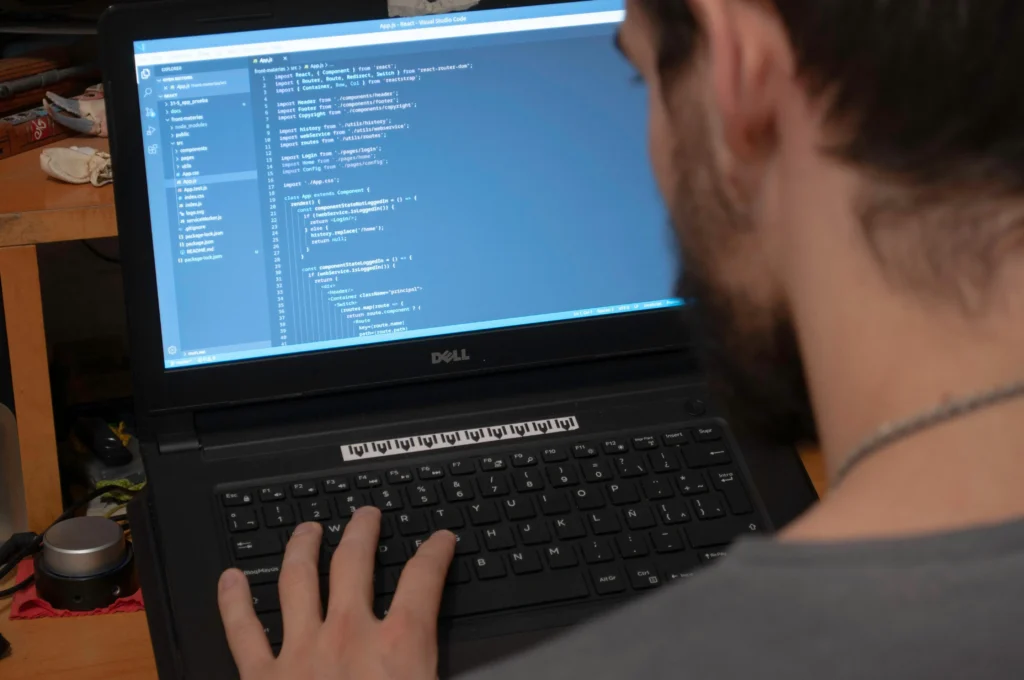
Tasks: A full-stack developer creates both the client-facing interface and the underlying server-side logic. Their work includes writing code for web pages or app views, integrating APIs, managing databases, and ensuring all features run smoothly end-to-end. They test and debug at all levels and may also handle deployment/DevOps tasks in smaller teams.
Qualifications: Look for candidates with expertise across the “entire development stack”. This typically means proficiency in front-end technologies (HTML/CSS/JS, React, Angular) and back-end languages (Node.js, Python/Django, Ruby on Rails, etc.). A solid understanding of databases (SQL/NoSQL) and version control (Git) is crucial. Strong problem-solving and the ability to juggle multiple tasks (front-end pages plus server logic) are essential. Experience with cloud services (AWS, Azure) or mobile development (if needed) can also be a plus for a full-stack development role.
Zero Risk: You pay nothing if you don’t hire anyone.
FAQs on Hiring a Full-Stack Developer
Full-stack developers focus on coding. For UI/UX design, you may still need a designer. But many full-stack web developers can implement designs given by a UI/UX team. They often communicate with designers but do not necessarily create the graphical assets themselves.
If time overlap is important, Latin America can align closely with U.S. working hours. Philippine hires typically work their own daylight hours, so plan asynchronous workflows or set overlapping meeting times. Many offshore developers are accustomed to these arrangements.
Yes! These hires are often experienced in managing code end-to-end. However, like any remote employee, they should have clear project goals and access to documentation. Regular check-ins ensure alignment.